
Introduction to Hemopoietic Stem Cell Differentiation
Hemopoietic stem cell differentiation is a fundamental biological process responsible for the continuous production of blood cells in multicellular organisms. This highly regulated mechanism generates a wide diversity of specialized blood cells required for oxygen transport, immune defense, inflammation control, and tissue repair. Understanding how pluripotent stem cells differentiate into mature blood cell populations remains one of the central challenges in modern cellular biology and molecular genetics.
At the core of this process is the regulation of gene expression. Stem cells possess the ability to maintain self-renewal while simultaneously producing progenitor cells committed to specific differentiation pathways. During differentiation, selected genes become activated while others are suppressed, allowing cells to progressively acquire specialized functions. These molecular events are influenced not only by the genome itself but also by extracellular environmental signals originating from surrounding tissues and regulatory microenvironments.
Researchers continue to investigate how pluripotent stem cells lose their undifferentiated identity and become committed to particular developmental lineages such as erythroid, myeloid, megakaryocytic, or lymphoid pathways. Although many regulatory mechanisms remain incompletely understood, hemopoietic stem cells provide one of the most valuable experimental systems for studying cellular differentiation in mammals.

Structure and Organization of the Hemopoietic System

The hemopoietic system is divided into two principal compartments:
- Myeloid tissues
- Lymphoid tissues
The myeloid lineage generates erythrocytes, granulocytes, macrophages, monocytes, and megakaryocytes, whereas the lymphoid lineage produces B lymphocytes, T lymphocytes, and other immune-related cell populations.
Among these developmental stages, the earliest phases of myelopoiesis are particularly important because they represent the point at which stem cell determination occurs. At this stage, pluripotent stem cells begin selecting specific genetic programs that prepare them for future differentiation and maturation.
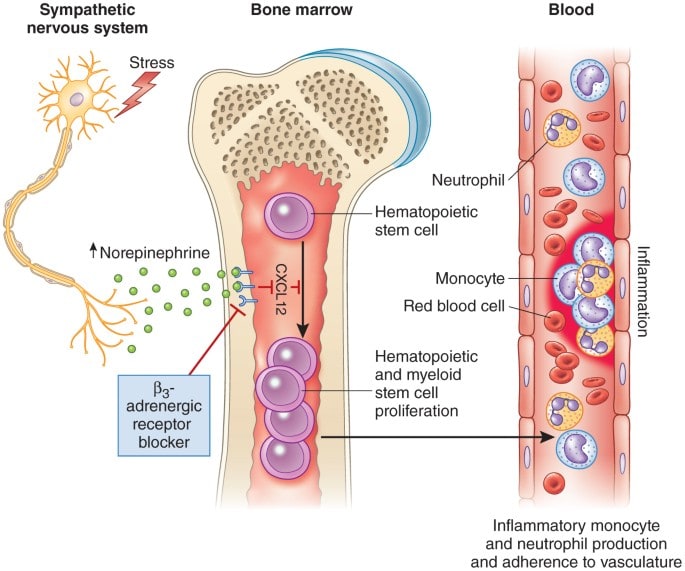
The hemopoietic system operates as a continuous cell renewal network. Cellular proliferation and differentiation occur simultaneously to maintain physiological homeostasis and rapidly respond to increased demand for mature blood cells during infection, inflammation, bleeding, or anemia.
Pluripotent Hemopoietic Stem Cells
Pluripotent hemopoietic stem cells possess two defining biological properties:
- Self-renewal capacity
- Multipotent differentiation potential
These stem cells can generate multiple specialized blood cell lineages while also producing new stem cells identical to themselves. This dual capability ensures lifelong maintenance of the blood-forming system.
Each individual stem cell can establish a large clonal population containing many differentiated descendants. This property makes hemopoietic stem cells essential for tissue regeneration and recovery following physiological stress or bone marrow injury.
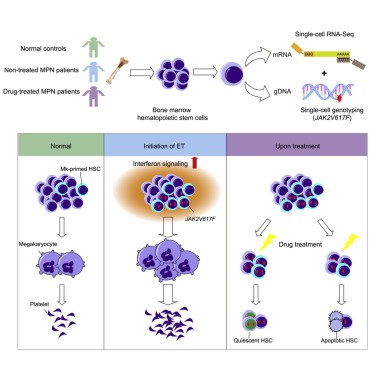
Recent studies have also demonstrated that several hematological disorders originate directly from abnormalities in pluripotent stem cells. In diseases such as leukemia and chronic myeloblastic disorders, genetically altered stem cells gain proliferative advantages, eventually dominating the hemopoietic system through clonal expansion.

Molecular Regulation of Differentiation
One of the most important questions in stem cell biology concerns how gene expression controls cellular differentiation.
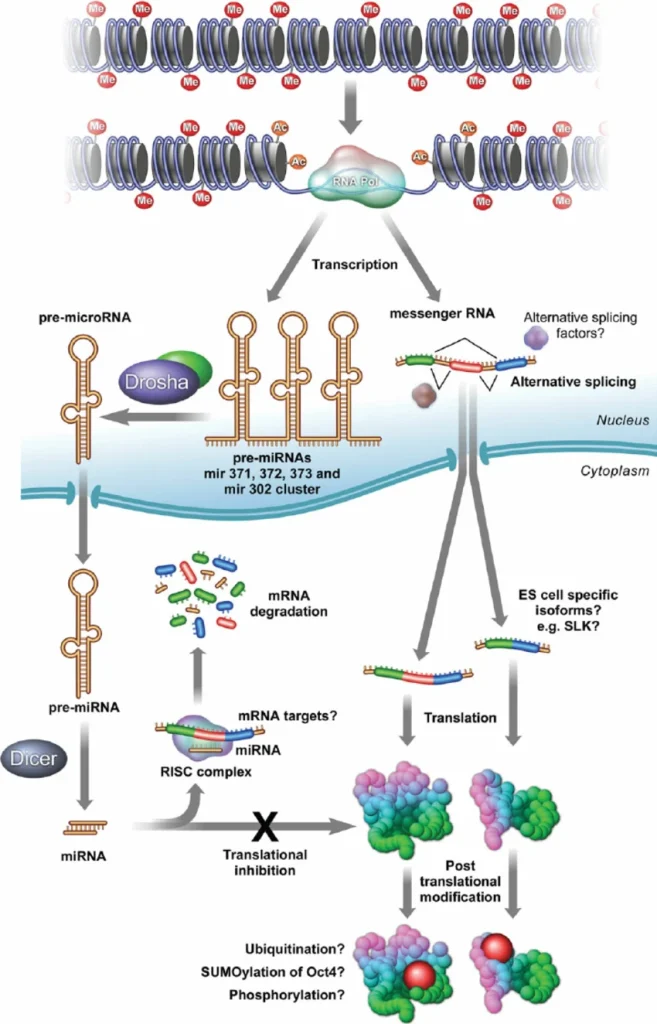
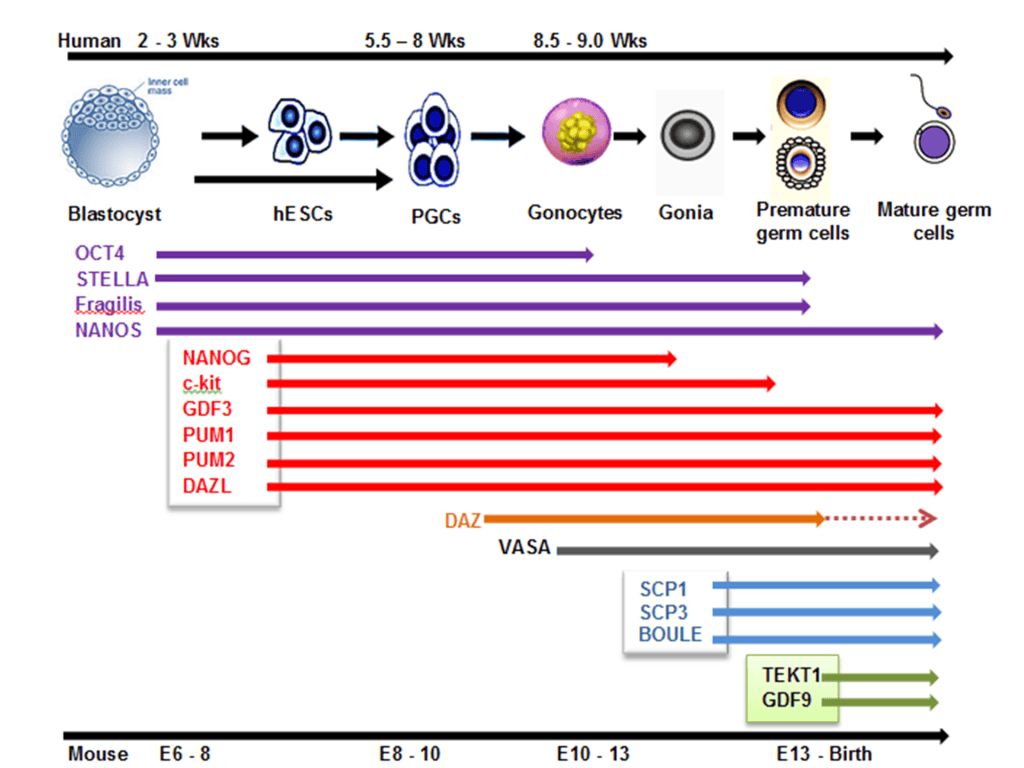
The differentiation process requires highly coordinated activation and suppression of specific genes. Stem cells initially contain the genetic potential to generate multiple cell types. However, as differentiation progresses, cells selectively express lineage-specific genes associated with specialized functions.
Important molecular events involved in differentiation include:
- Gene activation
- Gene silencing
- Chromosomal rearrangements
- Epigenetic modifications
- Cell signaling interactions
- Surface receptor regulation
Modern molecular genetics has significantly improved understanding of these mechanisms. Studies involving immunoglobulin gene rearrangement in lymphocytes have revealed how genomic reorganization contributes to functional specialization during differentiation.
Colony-Forming Assays and Developmental Studies
Major advances in hemopoietic research became possible through the development of colony-forming assays that allow single progenitor cells to proliferate and differentiate in controlled environments.
These experimental systems enabled scientists to identify several important progenitor populations, including:
- BFU-E (Burst-Forming Unit-Erythroid)
- CFU-E (Colony-Forming Unit-Erythroid)
- CFU-GEMM (Granulocyte, Erythroblast, Megakaryocyte, Macrophage Colony-Forming Unit)
- CFU-S (Colony-Forming Unit-Spleen)
The spleen colony assay became one of the most important experimental methods for studying stem cell biology. In this technique, donor bone marrow cells are transplanted into irradiated recipient animals. Individual stem cells proliferate within the spleen and form visible colonies that can later be analyzed for lineage composition and differentiation potential.

Cellular Heterogeneity in Hemopoiesis
A major challenge in studying hemopoietic differentiation is the extraordinary heterogeneity of blood-forming tissues.
The hemopoietic system contains numerous cellular populations at different developmental stages. Even partially purified stem cell populations rapidly become heterogeneous during in vitro culture or in vivo manipulation.
Because stem cells represent less than 1% of total hemopoietic cells, obtaining sufficiently pure populations for molecular analysis remains technically difficult.
Despite these limitations, advances in cell sorting technologies and molecular markers have improved stem cell isolation methods considerably.
Cell Surface Markers and Stem Cell Identification
Cell surface markers play a critical role in identifying and isolating stem cell populations.
Specific membrane proteins expressed on living cells can be recognized using immunological methods and fluorescent labeling technologies. These markers allow researchers to distinguish stem cells from differentiated populations.
Technologies such as fluorescence-activated cell sorting (FACS) have revolutionized stem cell research by enabling rapid purification of selected cell populations according to surface antigen expression.
The development of monoclonal antibodies and hybridoma technologies further increased the specificity of stem cell identification and facilitated the purification of rare progenitor populations.
Stem Cell Regulation and Microenvironment
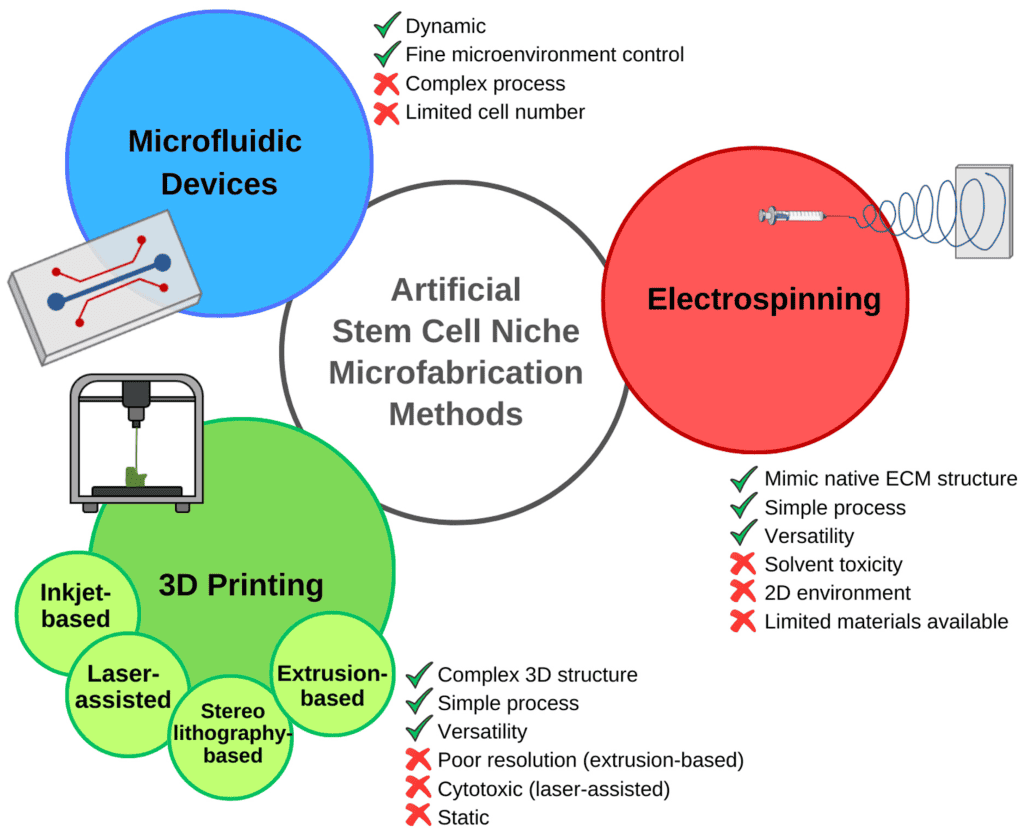
Stem cell differentiation is strongly influenced by the surrounding cellular microenvironment, commonly referred to as the stem cell niche.
Two major theoretical models have been proposed to explain stem cell regulation:
Instructive Model
This model proposes that extracellular environmental signals actively direct stem cells toward specific differentiation pathways.
Stochastic Model
This model suggests that differentiation decisions occur randomly, while environmental factors only modify the probability of specific outcomes.
Both theories continue to influence modern stem cell biology research.
The bone marrow microenvironment contains stromal cells, macrophages, endothelial cells, extracellular matrix proteins, cytokines, and growth factors that collectively regulate stem cell maintenance and differentiation.
Hemopoietic Stem Cells in Cell Culture
Advanced cell culture systems have enabled long-term maintenance of pluripotent stem cells outside the body.
Dexter culture systems represented a major breakthrough in stem cell biology because they allowed prolonged survival and self-renewal of hemopoietic stem cells in vitro.
These culture systems contain:
- Adherent stromal cell layers
- Growth factors
- Serum-containing media
- Controlled environmental conditions
Under these conditions, stem cells continue generating multiple progenitor populations for extended periods.
Such systems have become essential tools for studying:
- Stem cell self-renewal
- Lineage commitment
- Cellular interactions
- Growth factor regulation
- Hematological diseases
Erythropoietic Differentiation and Growth Factors
Erythropoiesis represents one of the best-characterized differentiation pathways in hemopoiesis.
- Erythropoietin (EPO)
- Burst-promoting activity factors
- Colony-stimulating factors
- Cytokines
Early erythroid progenitors such as BFU-E require specific stimulatory factors for proliferation, whereas later progenitors like CFU-E become increasingly responsive to erythropoietin.
This sequential responsiveness reflects progressive maturation and specialization during erythroid differentiation.
Hemopoietic Stem Cells and Human Disease
Abnormal regulation of stem cell differentiation contributes to many hematological disorders, including:
- Leukemia
- Myelodysplastic syndromes
- Bone marrow failure
- Chronic myeloblastic leukemia
- Lymphoproliferative disorders
Genetic mutations affecting pluripotent stem cells can produce abnormal clonal populations that progressively dominate blood cell production.
Studies involving chromosomal abnormalities such as the Philadelphia chromosome have provided important insights into the clonal origin of hematological cancers.
Understanding stem cell regulation therefore has major clinical implications for:
- Cancer therapy
- Bone marrow transplantation
- Regenerative medicine
- Gene therapy
- Immunotherapy
Conclusion
Hemopoietic stem cell differentiation represents one of the most complex and important biological systems in mammalian physiology. Pluripotent stem cells maintain lifelong blood production through tightly regulated mechanisms involving self-renewal, lineage commitment, and progressive maturation.
Research in molecular genetics, cell culture technology, colony-forming assays, and stem cell purification methods has significantly expanded current understanding of blood cell development. Despite major progress, many aspects of stem cell determination and gene regulation remain incompletely understood.
Future advances in stem cell biology, molecular diagnostics, and regenerative medicine are expected to provide deeper insight into the mechanisms controlling hemopoiesis and may lead to improved treatments for hematological diseases, immune disorders, and cancers.