
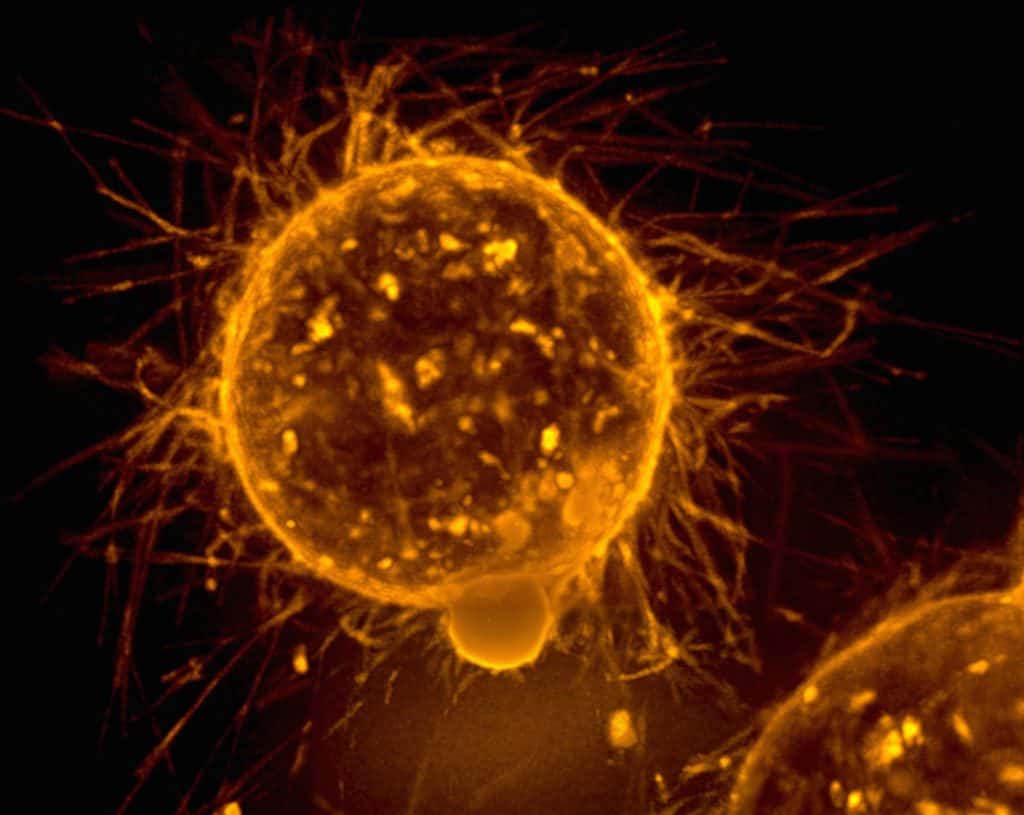
Introduction to Regulatory B Cells
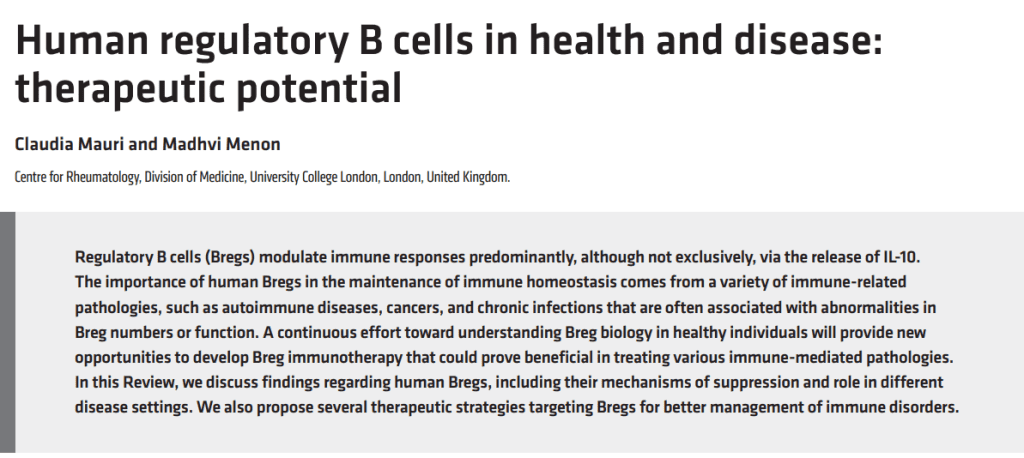
Regulatory B cells, commonly referred to as Breg cells, represent a specialized functional subset of B lymphocytes involved in the suppression and modulation of immune responses. Traditionally, B cells have been recognized for their role in antibody production, antigen presentation, and the organization of peripheral lymphoid tissues. However, extensive immunological research has demonstrated that B cells also possess potent immunoregulatory properties capable of limiting excessive inflammation and maintaining immune homeostasis.
Studies performed over the last two decades revealed that the absence of B cells frequently results in uncontrolled immune-mediated inflammation, prolonged autoimmune reactions, and impaired resolution of inflammatory diseases. These observations led to the identification of suppressive B-cell populations collectively designated as regulatory B cells or Breg cells. Their primary biological function is to negatively regulate immune activation and prevent tissue damage caused by excessive immune responses.
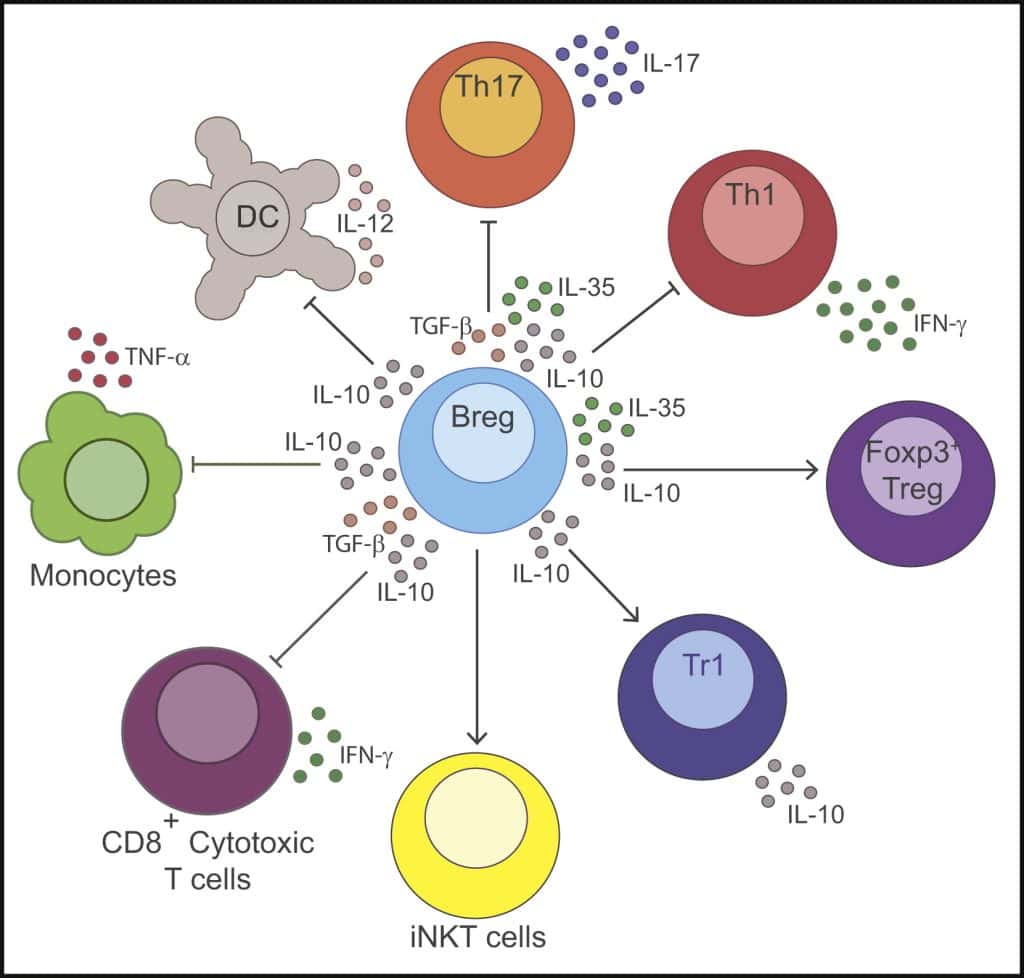
Breg cells exert their immunosuppressive activity through multiple molecular and cellular mechanisms, with interleukin-10 (IL-10) production considered the hallmark feature of these cells. In addition to IL-10 secretion, Breg cells regulate immune activity through transforming growth factor-beta (TGF-β), direct cell-to-cell interactions, modulation of antigen-presenting cells, and induction of regulatory T cells.
Identification of Regulatory B Cells in Autoimmune Diseases
The discovery of regulatory B cells originated from experimental autoimmune disease models using genetically modified mice deficient in B lymphocytes. One of the earliest and most significant findings came from studies using experimental autoimmune encephalomyelitis (EAE), a murine model of multiple sclerosis.
Researchers observed that mice lacking B cells developed more severe autoimmune pathology compared to normal animals. Although B cells were not directly required for activation of pathogenic T cells, they played a critical role in suppressing inflammatory responses and promoting recovery from disease.
Subsequent investigations demonstrated that autoantigen-reactive splenic B cells could suppress autoimmune inflammation through IL-10 production following activation via CD40 signaling and antigen recognition. This finding established IL-10-producing B cells as essential regulators of immune tolerance.
Additional studies in inflammatory bowel disease models identified a suppressive B-cell population within mesenteric lymph nodes characterized by elevated CD1d expression and strong IL-10 secretion. These cells effectively inhibited chronic intestinal inflammation mediated by T lymphocytes. The term “Breg cells” was proposed to define B cells possessing immunosuppressive properties independent of antibody secretion.
Research later demonstrated that several B-cell subsets can acquire regulatory functions during autoimmune inflammation, including transitional 2-marginal zone precursor (T2-MZP) B cells. These cells produce high levels of IL-10 while reducing pro-inflammatory cytokines such as IL-12 and interferon-gamma (IFN-γ). Transfer of T2-MZP B cells into susceptible mice protected against autoimmune arthritis in an IL-10-dependent manner.
Interestingly, B cells display both pathogenic and protective roles in autoimmune diseases. While congenital B-cell deficiency aggravates inflammation, temporary B-cell depletion therapies can improve autoimmune disorders such as rheumatoid arthritis and multiple sclerosis. This paradox suggests that immune balance depends on interactions between pathogenic effector B cells and immunosuppressive Breg populations.
Regulatory B Cells in Inflammation, Infection, and Immune Tolerance
Breg cells are not restricted to autoimmune diseases. They also participate in infection-associated immune regulation, inflammatory tolerance, and maintenance of peripheral immune homeostasis.
Experimental studies demonstrated that inflammatory signals combined with apoptotic cell exposure can induce regulatory B-cell differentiation. These induced Breg cells localize predominantly within the splenic marginal zone and suppress collagen-induced arthritis through IL-10 secretion.
Under non-inflammatory conditions, Breg cells contribute to peripheral tolerance by inhibiting effector T-cell differentiation against soluble self-antigens. Continuous presentation of self-antigens by B cells induces antigen hyporesponsiveness and downregulation of autoreactive T-cell receptors.
A particularly important regulatory subset identified in mice is the CD19hiCD1dhiCD5+ B-cell population, also known as B10 cells. These cells constitute approximately 1% of splenic B cells and possess strong IL-10-producing capability. B10 cells suppress contact hypersensitivity reactions in an antigen-specific and IL-10-dependent manner.
In infectious diseases, Breg cells have been associated with suppression of excessive inflammation during parasitic infections. Helminth-induced Breg cells recruit regulatory T cells and inhibit allergic inflammation through IL-10-mediated mechanisms. Certain pathogens may exploit these suppressive pathways to enhance their survival within the host.
Regulatory B Cells in Humans
Although most early investigations were conducted in mice, evidence now confirms the existence of Breg cells in humans.
In patients with multiple sclerosis infected by helminths, researchers identified IL-10-producing B-cell populations capable of suppressing inflammatory immune responses through the ICOS-B7RP-1 signaling pathway.
Human peripheral blood also contains immature CD19+CD24hiCD38hi B cells with potent regulatory activity. Upon CD40 stimulation, these cells suppress T helper 1 (Th1) differentiation and reduce inflammatory cytokine production. Importantly, patients with systemic lupus erythematosus often exhibit defective Breg-cell suppressive function, contributing to autoimmune dysregulation.
Collectively, human studies indicate that Breg cells participate in immune tolerance, suppression of pathological inflammation, and maintenance of immune equilibrium in both health and disease.
Mechanisms of Regulatory B Cell Suppression
IL-10-Mediated Immunoregulation
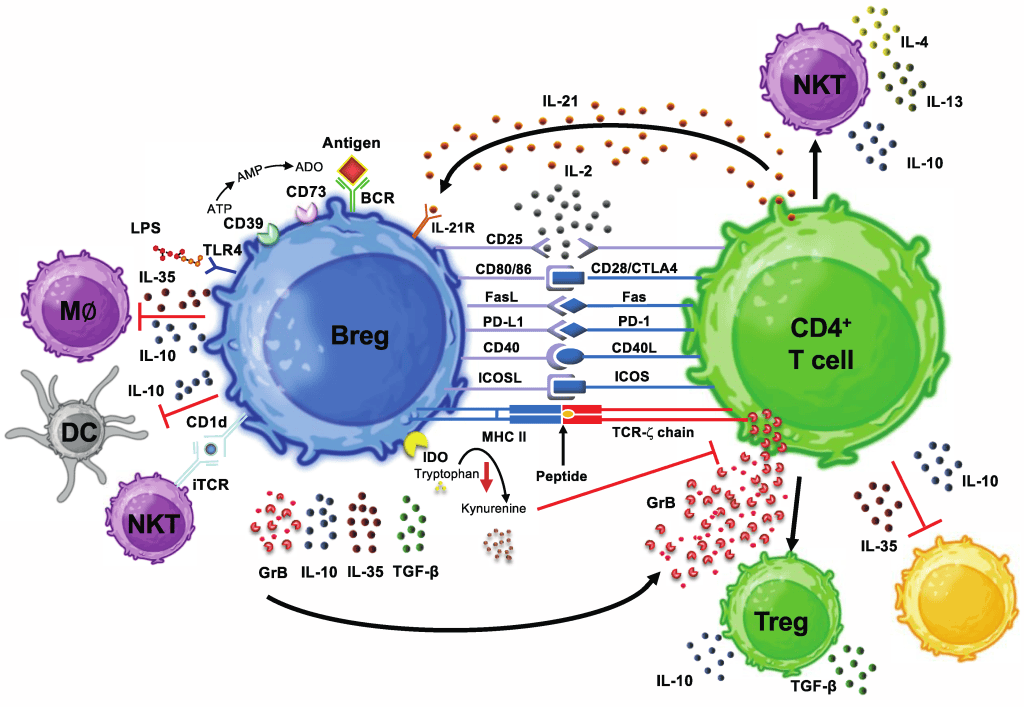
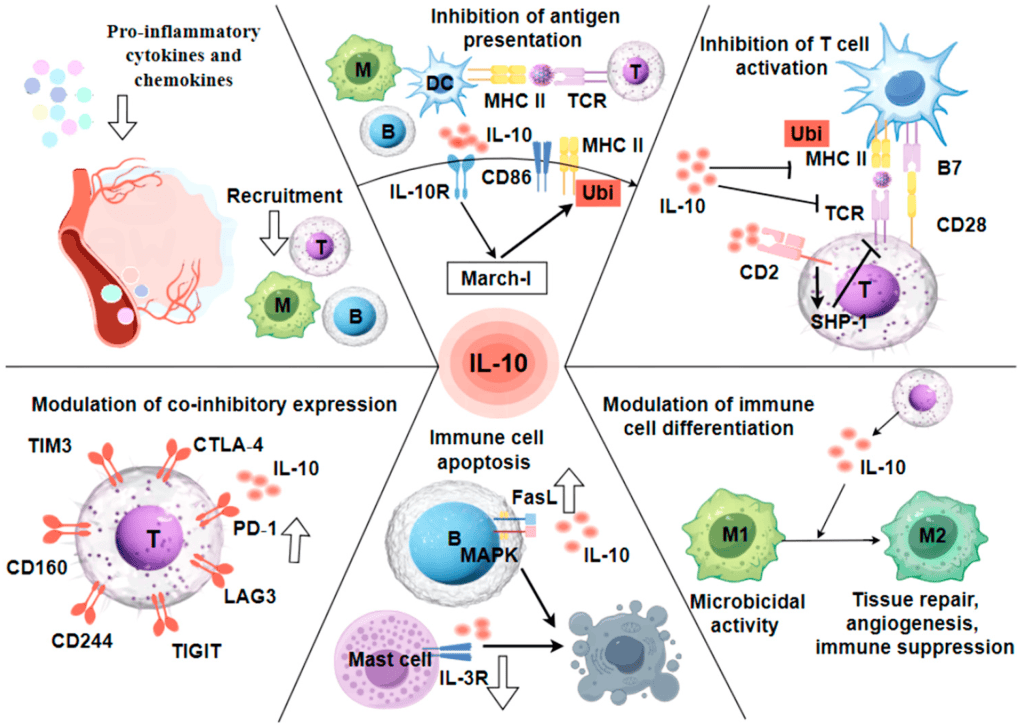
The primary suppressive mechanism employed by Breg cells involves secretion of the anti-inflammatory cytokine IL-10. IL-10 inhibits activation of macrophages, dendritic cells, and pro-inflammatory T helper cells while promoting tolerogenic immune environments.
IL-10-producing B cells have been identified in multiple experimental models involving:
- Autoimmune encephalomyelitis
- Collagen-induced arthritis
- Chronic intestinal inflammation
- Allergic airway disease
- Helminth infections
- Transplantation tolerance
IL-10 suppresses production of inflammatory cytokines including:
- Interferon-gamma (IFN-γ)
- Interleukin-2 (IL-2)
- Interleukin-12 (IL-12)
- Tumor necrosis factor-alpha (TNF-α)
Additionally, IL-10 supports expansion and activation of regulatory T cells (Treg cells), further amplifying immunosuppressive networks.
TGF-β and Contact-Dependent Suppression
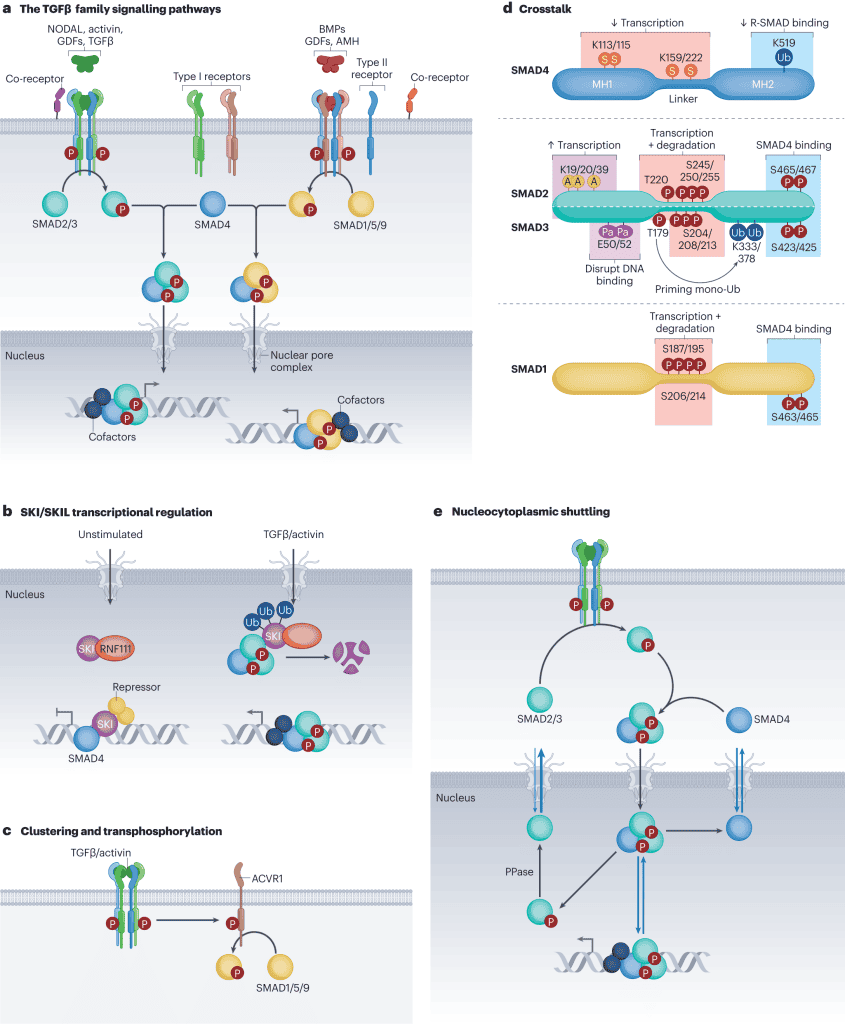
Besides IL-10, some Breg populations produce transforming growth factor-beta (TGF-β), another potent immunoregulatory cytokine involved in immune tolerance and suppression of pathogenic T-cell responses.
Breg cells also mediate suppression through direct cell-contact mechanisms involving:
- Major histocompatibility complex (MHC) interactions
- B7 co-stimulatory molecules
- Fas-mediated apoptosis induction
- Regulation of dendritic cell maturation
- Modulation of macrophage inflammatory activity
These pathways demonstrate that Breg cells use both cytokine-dependent and cytokine-independent strategies to control immune responses.
Activation and Induction of Regulatory B Cells
Toll-Like Receptor Signaling
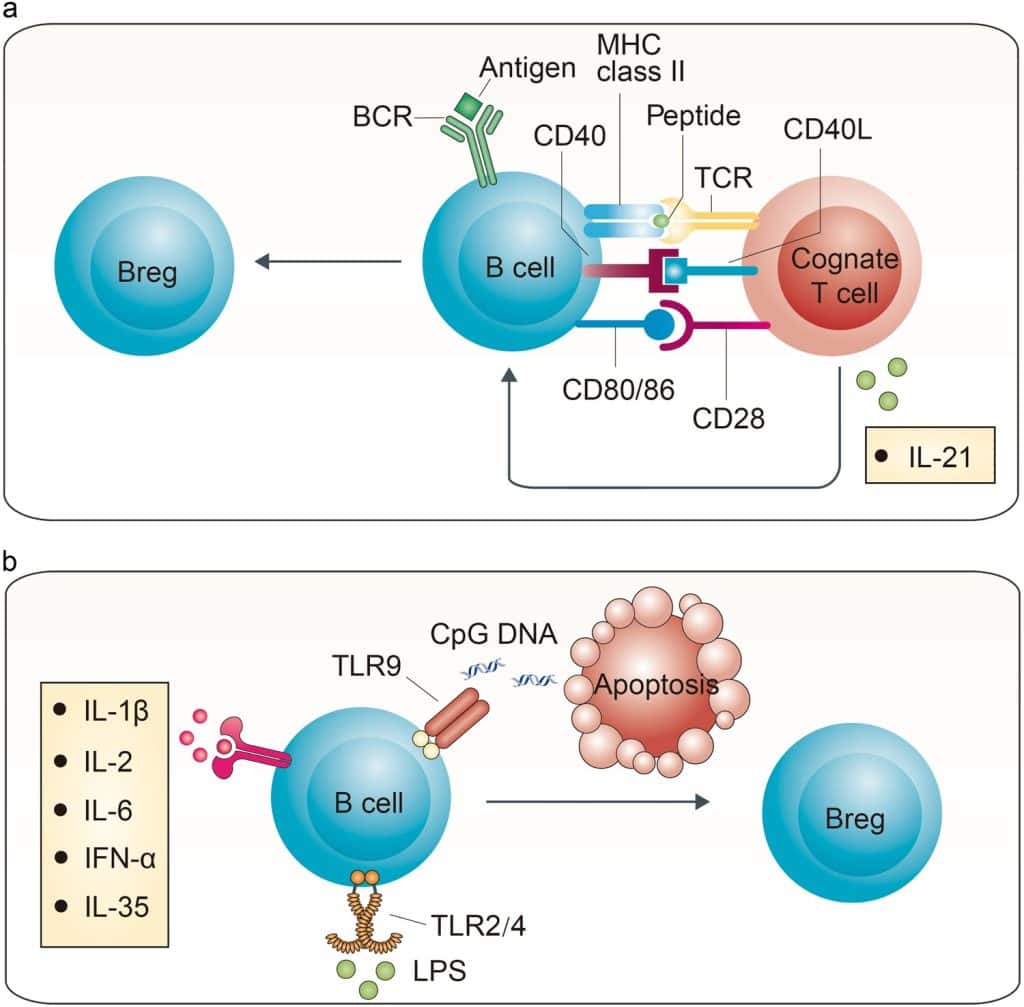
Innate immune signals are major drivers of Breg-cell activation. Toll-like receptors (TLRs), which recognize microbial components, stimulate IL-10 production and induce suppressive B-cell phenotypes.
TLR4 and TLR9 signaling pathways have been extensively linked to Breg induction during autoimmune suppression. Activation of TLR pathways enables B cells to acquire regulatory functions capable of inhibiting pathogenic T-cell activity.
The relationship between microbial exposure and Breg induction supports the hygiene hypothesis, which proposes that reduced exposure to microorganisms during early life increases susceptibility to autoimmune and allergic diseases.
CD40 and Antigen-Dependent Activation
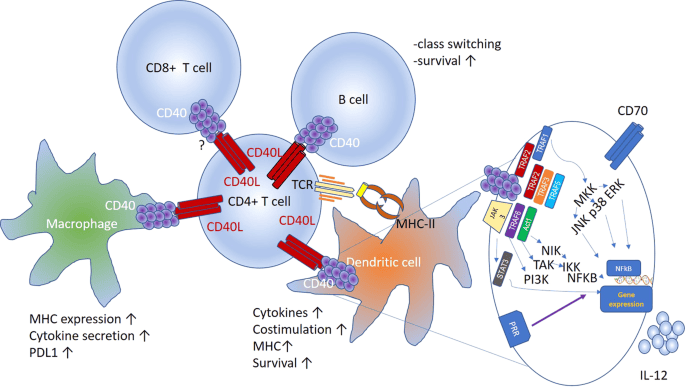
CD40 signaling is another essential mechanism involved in Breg differentiation and function. Engagement of CD40 by activated T cells promotes B-cell survival, IL-10 production, and expansion of regulatory subsets.
Autoantigen recognition through the B-cell receptor (BCR) also plays a critical role in generating suppressive Breg populations in autoimmune settings. Effective BCR signaling allows antigen-specific regulatory responses that limit tissue inflammation.
Additional molecules implicated in Breg activation include:
- BAFF (B-cell activating factor)
- STAT3 signaling pathways
- CD80 and CD86 co-stimulatory molecules
- Chimeric cytokines such as GIFT15
Together, these pathways regulate Breg maturation, survival, and immunosuppressive activity.
Developmental Origin and Diversity of Regulatory B Cells
One of the most debated topics in Breg biology concerns their developmental origin and lineage relationship with conventional B-cell subsets.
Mouse B cells are generally divided into two major lineages:
- B1 cells
- B2 cells
B1 cells are innate-like lymphocytes located primarily in body cavities and are subdivided into:
- B1a (CD5+)
- B1b (CD5−)
These cells produce natural antibodies and participate in early immune defense.
B2 cells represent conventional adaptive B lymphocytes and include:
- Follicular (FO) B cells
- Marginal zone (MZ) B cells
- Transitional B cells
- Memory B cells
Several regulatory B-cell populations share phenotypic markers with these subsets, including:
- T2-MZP B cells
- CD1dhiCD5+ B10 cells
- Marginal zone B cells
- Transitional B cells
- B1a cells
Current hypotheses propose that Breg cells may either:
- Arise from dedicated developmental progenitors
- Emerge from conventional B-cell populations after activation by inflammatory signals
Some models suggest that all activated B cells possess the capacity to become suppressive under appropriate environmental conditions involving TLR stimulation, CD40 engagement, and antigen recognition.
Clinical Importance and Therapeutic Potential of Regulatory B Cells
Regulatory B cells have emerged as important therapeutic targets in immunology and inflammatory medicine. Their ability to suppress pathogenic immune responses makes them highly relevant in:
- Autoimmune diseases
- Chronic inflammatory disorders
- Allergic diseases
- Transplantation tolerance
- Cancer immunology
Current B-cell depletion therapies used in autoimmune diseases may unintentionally eliminate protective Breg populations alongside pathogenic B cells. Understanding Breg biology could therefore improve precision immunotherapies and reduce treatment-associated immune dysregulation.
Potential therapeutic strategies involving Breg cells include:
- Expansion of endogenous Breg populations
- Induction of IL-10-producing B cells
- Cell-based Breg immunotherapy
- Targeted modulation of CD40 and TLR signaling
- Enhancement of immune tolerance mechanisms
Conclusion
Regulatory B cells are now recognized as fundamental components of immune regulation and tolerance. Beyond their classical role in antibody production, B cells actively suppress inflammatory and autoimmune responses through cytokine secretion, cell-contact interactions, and modulation of both innate and adaptive immunity.
Breg cells display remarkable phenotypic diversity and functional plasticity, with multiple subsets identified across autoimmune, infectious, and tolerogenic settings. IL-10 remains the central mediator of Breg suppressive activity, although additional pathways including TGF-β signaling and direct cellular interactions contribute significantly to their regulatory capacity.
Despite major advances, several important questions remain unresolved, including the exact developmental origin of Breg cells, their lineage relationships, and the molecular regulators controlling their differentiation.
Continued research on regulatory B cells is expected to provide valuable insights into immune homeostasis and facilitate the development of innovative therapies for autoimmune diseases, chronic inflammation, transplantation, and cancer immunotherapy.