
Introduction to Matrix Metalloproteinases and Cancer Biology
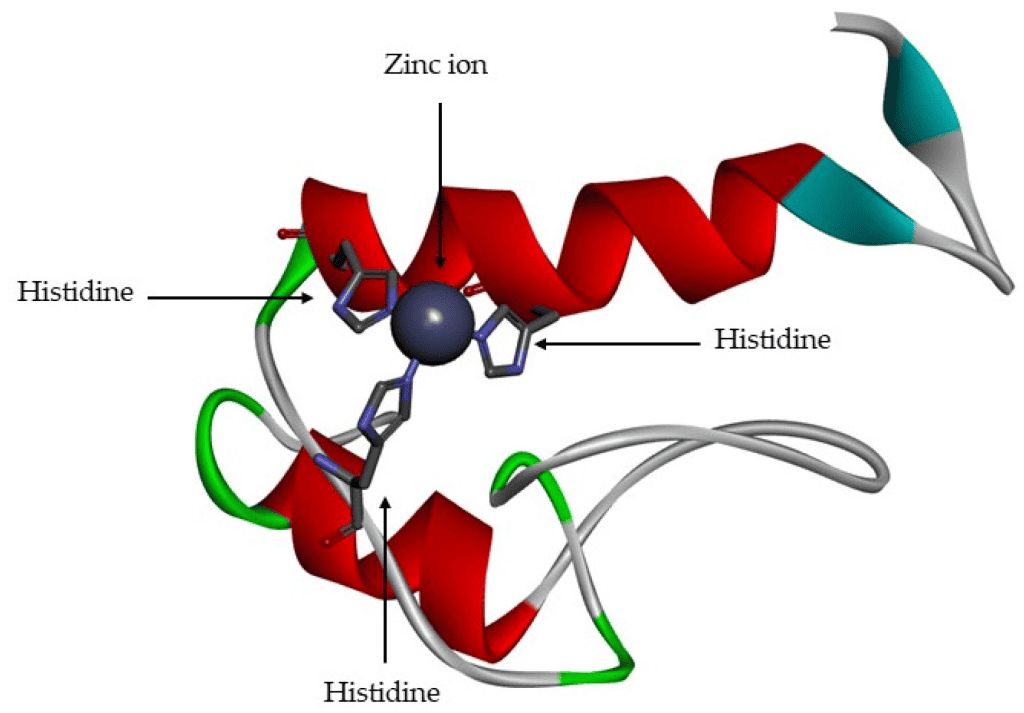
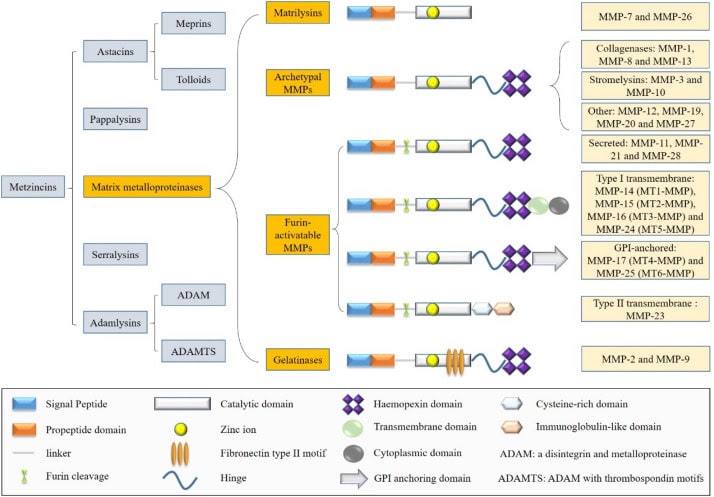
Matrix Metalloproteinase 20 (MMP20) belongs to the large family of matrix metalloproteinases (MMPs), a group of zinc-dependent proteolytic enzymes that regulate extracellular matrix remodeling under both physiological and pathological conditions. In humans, at least twenty-three distinct MMPs have been identified and categorized into several functional classes, including collagenases, gelatinases, stromelysins, matrilysins, and membrane-associated MMPs. These enzymes participate in multiple biological processes such as tissue regeneration, embryonic organ formation, inflammatory signaling, wound healing, and tumor progression.
In oncology research, MMPs are strongly associated with cancer development and metastatic dissemination. They contribute to tumor cell proliferation, extracellular matrix degradation, angiogenesis, invasion of surrounding tissues, and metastatic spread to distant organs. Because of these functions, MMPs have long been investigated as potential therapeutic targets in anticancer strategies. However, despite extensive clinical research involving more than fifty MMP inhibitors, most clinical trials failed due to insufficient specificity, toxicity, and undesirable off-target effects caused by broad-spectrum inhibition of multiple MMP family members.
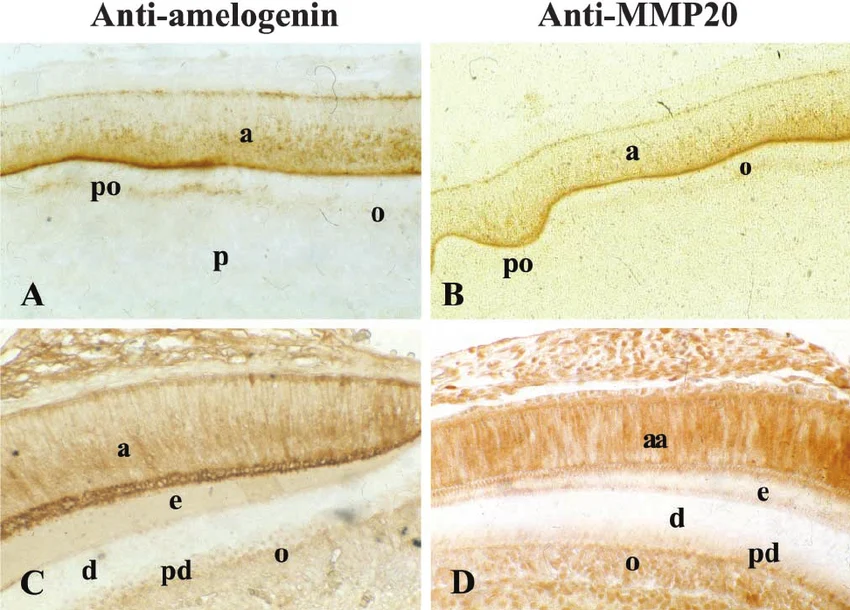
Among these enzymes, MMP20 has attracted increasing scientific attention because of its unusually restricted physiological expression profile. Under normal conditions, MMP20 is primarily involved in tooth enamel formation and mineralization. During enamel development, ameloblast cells express MMP20 mainly during the secretory and early maturation phases of enamelogenesis. Initially, MMP20 was considered enamel-specific and was therefore named “enamelysin.” Later studies demonstrated that its expression is not completely limited to enamel-producing tissues, as odontoblasts within the dental pulp also express this protease during development.
MMP20 Expression Beyond Dental Tissues
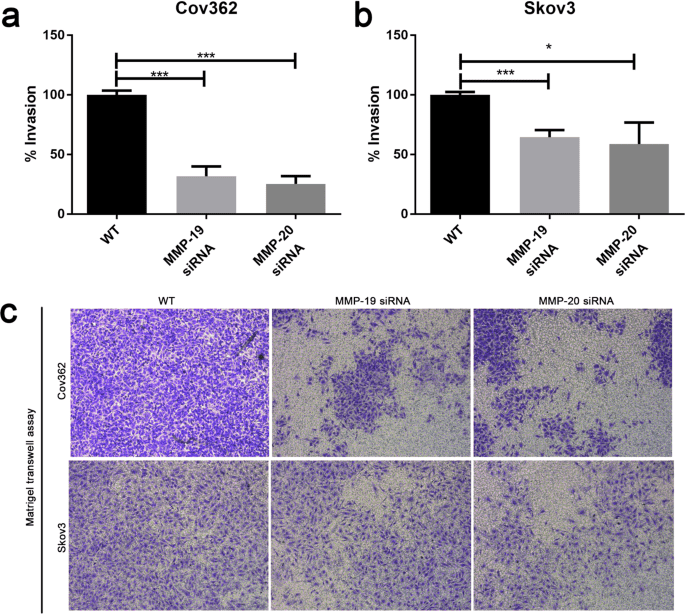
Although physiological MMP20 expression appears highly restricted, several studies have demonstrated abnormal MMP20 expression in pathological conditions, particularly in malignant tissues. Previous investigations identified MMP20 in odontogenic tumors, oral cancers, esophageal carcinoma, and tongue squamous cell carcinoma cells. Earlier reports suggested that MMP20 expression in tumors was relatively rare and highly tissue-specific. However, more recent findings indicate that the distribution of MMP20 in cancer may be broader than originally believed.
Emerging evidence demonstrates detectable MMP20 expression in several major human cancers, including breast carcinoma, colorectal adenocarcinoma, and lung adenocarcinoma. These findings suggest that MMP20 may represent a previously underestimated biomarker associated with tumor initiation and progression.
Experimental Analysis of MMP20 in Tumor Cell Lines
To investigate the role of MMP20 in human cancer, researchers analyzed its expression in several established tumor cell lines. Human breast carcinoma MCF-7 cells, colorectal carcinoma HT-29 cells, and non-small cell lung carcinoma A549 cells were cultured under standard laboratory conditions using Dulbecco’s Modified Eagle Medium supplemented with fetal calf serum.
RNA isolation followed by reverse transcription polymerase chain reaction (RT-PCR) and quantitative real-time PCR analysis confirmed the presence of MMP20 transcripts in all three tumor cell lines. Among them, A549 lung carcinoma cells exhibited the lowest expression levels, while breast and colon cancer cells showed stronger MMP20 expression.
Amplified PCR fragments corresponded precisely to the expected MMP20 transcript size, and sequencing analysis further confirmed transcript identity. In contrast, MMP20 expression was absent in several other cancer cell lines, including small cell lung carcinoma, cervical carcinoma HeLa cells, and thyroid carcinoma FTC-133 cells. These findings indicate that MMP20 expression is not universal across all cancer types but may instead correlate with particular tumor subgroups.
Immunocytochemical Localization of MMP20
Immunocytochemical investigations provided additional information regarding intracellular localization of the MMP20 protein. Diffuse cytoplasmic staining was observed in breast, lung, and colon carcinoma cells, indicating active intracellular protein expression. Interestingly, strong nuclear staining was also detected in MCF-7 and A549 cells, suggesting that MMP20 may possess additional intracellular regulatory functions beyond extracellular matrix degradation.
In HT-29 colorectal carcinoma cells, staining patterns additionally suggested plasma membrane-associated localization of MMP20. This observation is particularly relevant because membrane-associated localization could facilitate interactions with extracellular substrates and may provide opportunities for antibody-mediated therapeutic targeting.
MMP20 Expression in Human Primary Tumors
Immunohistochemical analysis of primary human tumor tissues confirmed significant MMP20 protein expression in several malignant tumors. Strong staining was observed in:
- invasive ductal breast carcinoma
- colorectal adenocarcinoma
- lung adenocarcinoma
In contrast, corresponding healthy tissues showed either absent or extremely weak baseline expression. Normal breast tissue lacked detectable MMP20 expression, while only minimal staining was identified in colorectal crypt epithelial cells and bronchial epithelium of healthy lung tissue.
Importantly, certain tumors such as testicular seminoma and cervical squamous cell carcinoma did not express MMP20, supporting the hypothesis that MMP20 expression may be associated with specific tumor phenotypes rather than generalized malignancy.
Biological and Clinical Significance of MMP20 in Cancer
The restricted physiological expression pattern of MMP20 makes this protease particularly attractive as a potential tumor biomarker. Unlike many other MMPs that are widely expressed in normal tissues, MMP20 appears to remain largely absent outside specific developmental contexts. Consequently, abnormal reactivation of MMP20 expression in tumors may reflect disease-associated molecular dysregulation.
Several important clinical questions remain unresolved:
1. How widespread is MMP20 expression in cancer?
Current evidence suggests that MMP20 expression extends beyond a few isolated tumor types. Preliminary studies indicate that additional malignancies may also express this protease. Large-scale clinical investigations are therefore necessary to determine the prevalence, specificity, and prognostic significance of MMP20 expression across different cancers.
2. At what stage does MMP20 appear during tumor progression?
It remains unclear whether MMP20 expression represents an early carcinogenic event or a later phenomenon associated with invasion and metastasis. Determining the temporal expression profile of MMP20 could help clarify its diagnostic and prognostic value.
3. Is MMP20 associated with specific molecular tumor subtypes?
Modern cancer classification increasingly relies on molecular profiling. For example, breast cancer includes biologically distinct subgroups with different clinical behaviors and therapeutic responses. Investigating correlations between MMP20 expression and molecular tumor subclasses could improve personalized diagnostic and therapeutic approaches.
Potential Role of MMP20 as a Tumor Biomarker
An ideal tumor biomarker should exhibit high sensitivity and specificity for malignant tissues. Although currently available tumor markers often lack perfect specificity, MMP20 may still provide important diagnostic value because of its minimal expression in healthy tissues.
If MMP20 protein or RNA transcripts can be reliably detected in body fluids such as blood, saliva, or serum, the molecule could potentially serve as a non-invasive biomarker for early cancer detection. Further studies are therefore required to evaluate circulating MMP20 levels in cancer patients.
Therapeutic Potential of Targeting MMP20
The history of MMP inhibitor therapy in oncology has largely been disappointing because previously developed inhibitors targeted multiple MMP family members simultaneously. Broad-spectrum inhibition frequently caused toxicity and disrupted normal physiological processes regulated by beneficial MMPs.
MMP20 differs from many other MMPs because its normal tissue distribution is highly restricted. This characteristic may significantly reduce the risk of systemic adverse effects during targeted therapy. If MMP20 contributes to tumor survival, invasion, or metastasis, selective inhibition of this protease could represent a promising therapeutic strategy.
Recent advances in molecular targeting technologies have already produced more selective inhibitors for several MMP family members, including peptide inhibitors and monoclonal antibodies directed against specific MMP isoforms. Similar approaches could potentially be developed for MMP20.
Furthermore, evidence suggesting plasma membrane localization of MMP20 in some tumor cells raises the possibility of designing antibody-drug conjugates or toxin-linked antibodies capable of selectively targeting MMP20-expressing cancer cells.
Conclusion
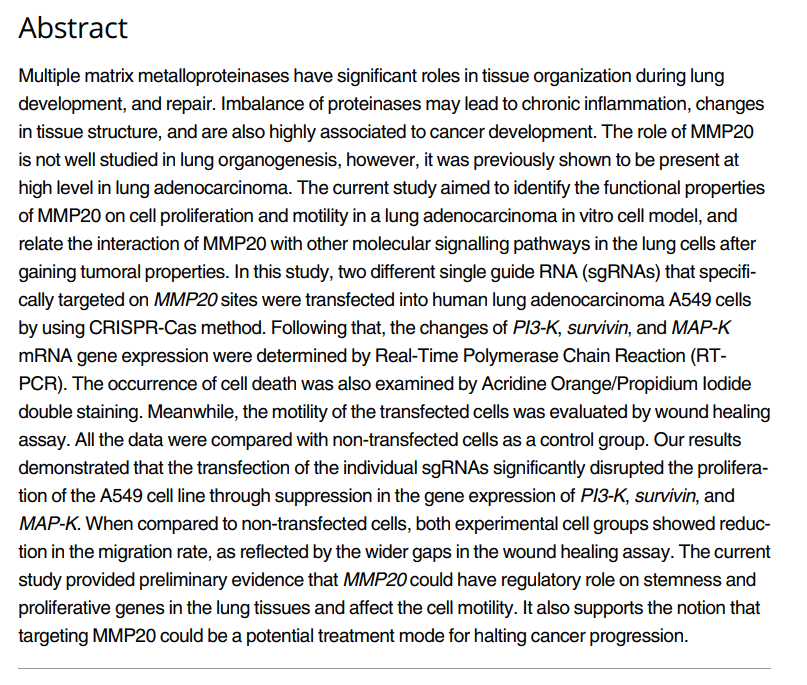
Current evidence strongly supports the concept that MMP20 is aberrantly expressed in multiple human malignancies, including breast, colon, and lung cancers. Its highly restricted expression under physiological conditions makes it an especially promising candidate for cancer diagnosis and targeted therapy.
Although many questions regarding the biological role of MMP20 in tumor progression remain unanswered, available data suggest that this molecule may contribute to carcinogenesis, tumor invasion, and disease progression. Future research should focus on defining the molecular mechanisms regulating MMP20 expression, identifying tumor-specific expression patterns, and evaluating its usefulness as both a diagnostic biomarker and therapeutic target.
The development of highly selective MMP20-targeted therapies may eventually overcome many limitations that caused previous generations of MMP inhibitors to fail in clinical oncology.